Coach Development Program
Trail Coaching Fund
A supported path to certification and real coaching practice for aspiring coaches working to make trail knowledge easier to reach.

- Product
- UESCA certification plus cohort learning
- Audience
- Aspiring trail running coaches
- Status
- Applications closed
- Outcome
- Coaches ready to serve
Why UESCA
An ultrarunning credential built for the full coaching job.
UESCA’s online Ultrarunning Coach Certification includes 20 modules developed with coach and author Jason Koop.
The course covers physiology, training design, communication, nutrition, safety, and race execution for distances beyond the marathon. That depth and focus on ultrarunning are why we fund it.

Cohort Learning Experience
The certification is rigorous. You do not go through it alone.
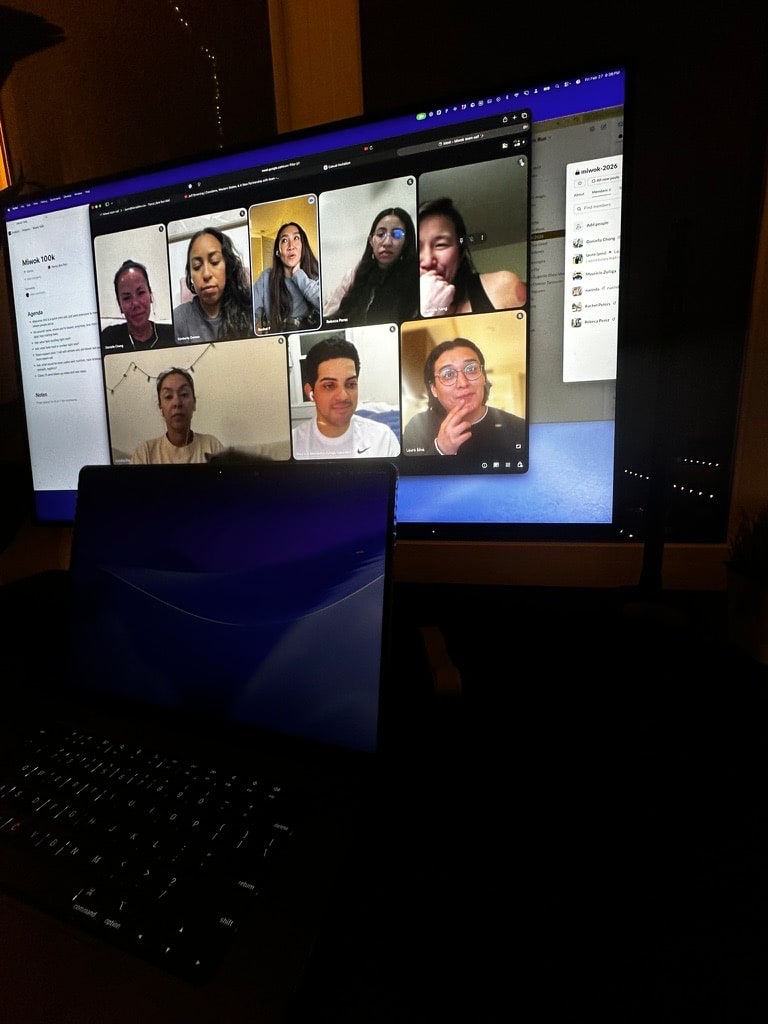
The cohort turns an online course completed at your own pace into a shared practice: questions have somewhere to go, progress stays visible, and the learning gets tested with real runners.
Certification
UESCA certification is fully funded.
Selected coaches receive the complete Ultrarunning Coach Certification and a clear deadline to finish it.
Community
Learn alongside other aspiring trail coaches.
The cohort brings shared context and accountability to coursework that would otherwise be completed alone.
Live structure
Meet live every other week.
Virtual calls last one hour and create a steady place to ask questions, reflect, and keep moving through the course.
Real practice
Coach two Athlete Fund runners.
Each runner opts in before matching. Coaches apply the coursework with feedback and support from the cohort.

The coaching role
A stronger coach changes more than one start line.
The Athlete Fund opens a start line. A coach helps runners make sense of training, choose what comes next, and stay in the sport long enough to lead.
Program requirements
Check the fit before you write.
The application checks these six requirements before opening the written questions.
Age
You are at least 18.
Applicants must be 18 or older when they apply.
Credential
You have not completed this exact UESCA certification.
Other credentials and education in progress are welcome. The $600 certification funding does not reimburse a certification already purchased or completed.
Cohort time
You can join the live cohort calls.
Plan for one hour every other week across five months, with certification work at your own pace between calls.
Completion
You can finish the course by the cohort deadline.
The exact deadline is published before orientation. Tell us what support would make completion realistic.
Practice
You can complete community practice with consent.
Participants coach two consenting Athlete Fund runners under the cohort’s support structure. Tierra Libre Run confirms the match before contact details are shared.
Scope
You will coach within your training and refer out.
Medical, nutrition, mental health, and other needs beyond coaching belong with qualified professionals.
Selection signals
What strong applications make clear.
We look for evidence of all three, not polished writing.
Trust
You already carry relationships.
You mentor runners, organize community miles, answer questions, or help people navigate the sport without calling it coaching yet.
Craft
You want the technical foundation.
You are ready to learn training principles, athlete communication, planning, review, safety, and scope with humility.
Service
You can keep showing up.
This fund is for people who want the credential because it helps them serve, not because it gives them a title.
Program support
Backing the next generation of trail coaches.

Cielo Running

The Rut Grants
Application cycle
Ready to build your trail coaching practice?
Check the application window, then tell us who you want to serve and what you are ready to learn.